Reggio Emilia Approach
The Reggio Emilia philosophy began over 70 years ago in the schools of Reggio Emilia, a town in northern Italy.
Developed by educator Loris Malaguzzi after World War II, it has since become a progressive, child-centred education philosophy worldwide and is the foundation of The Forest School’s approach.
At the heart of this philosophy is the belief that every child is to be respected, celebrated, and recognised as curious, capable, and full of potential.
Children are seen as active protagonists in their own learning, rich in wonder, knowledge, and creativity, with natural abilities that should be nurtured and honoured.
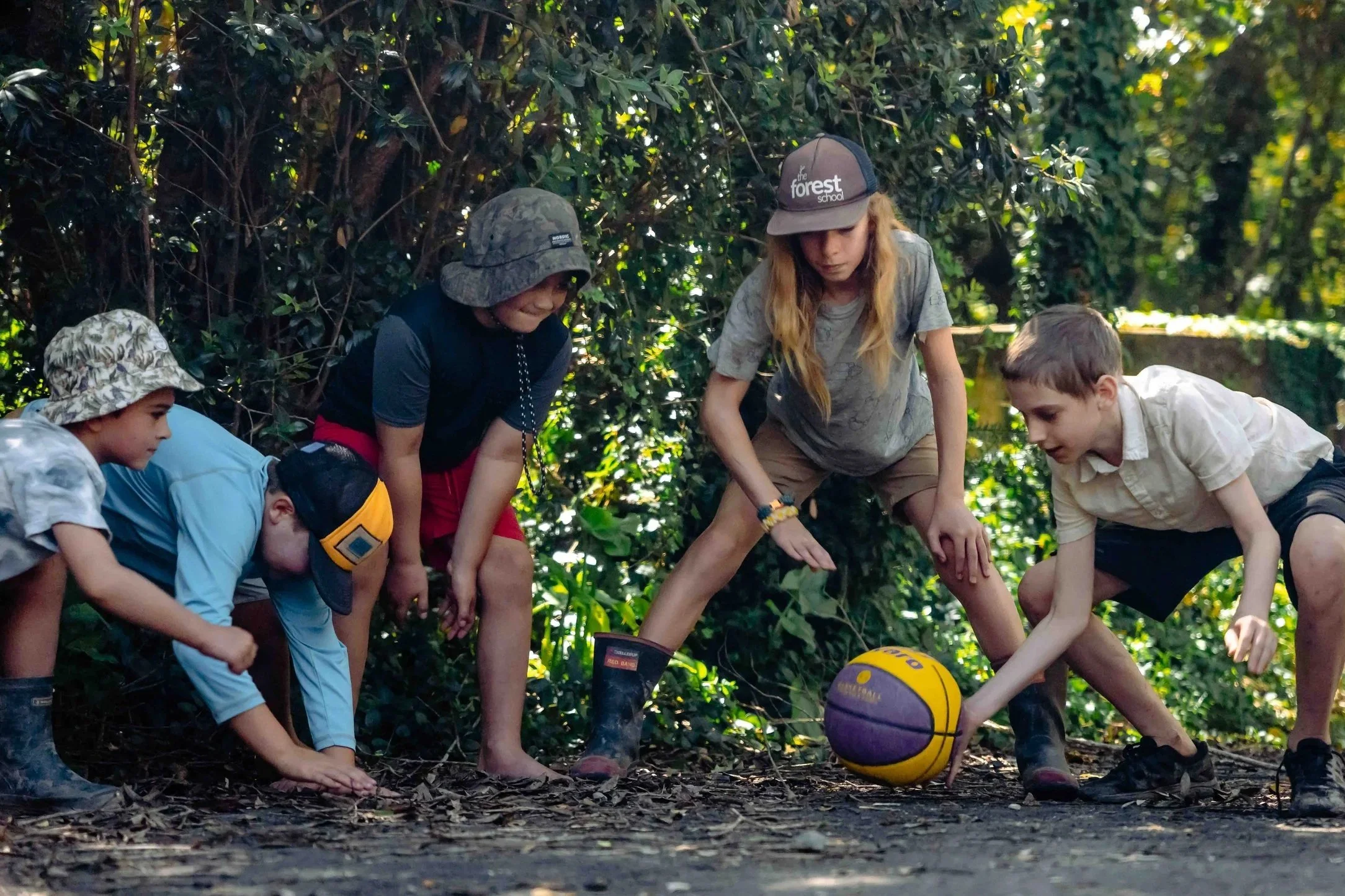
Unlike traditional, hierarchical models where teachers are often positioned above children, the Reggio Emilia approach fosters a collaborative, constructivist environment. At The Forest School, tamariki are empowered to self-direct and explore their learning, supported and guided by kaiako and whānau.
For those new to the philosophy, it can be best understood through its defining principles:

The Image of the Child
Every child is seen as competent, curious, and full of potential, not an empty vessel to be filled.

The Environment as the “Third Teacher”
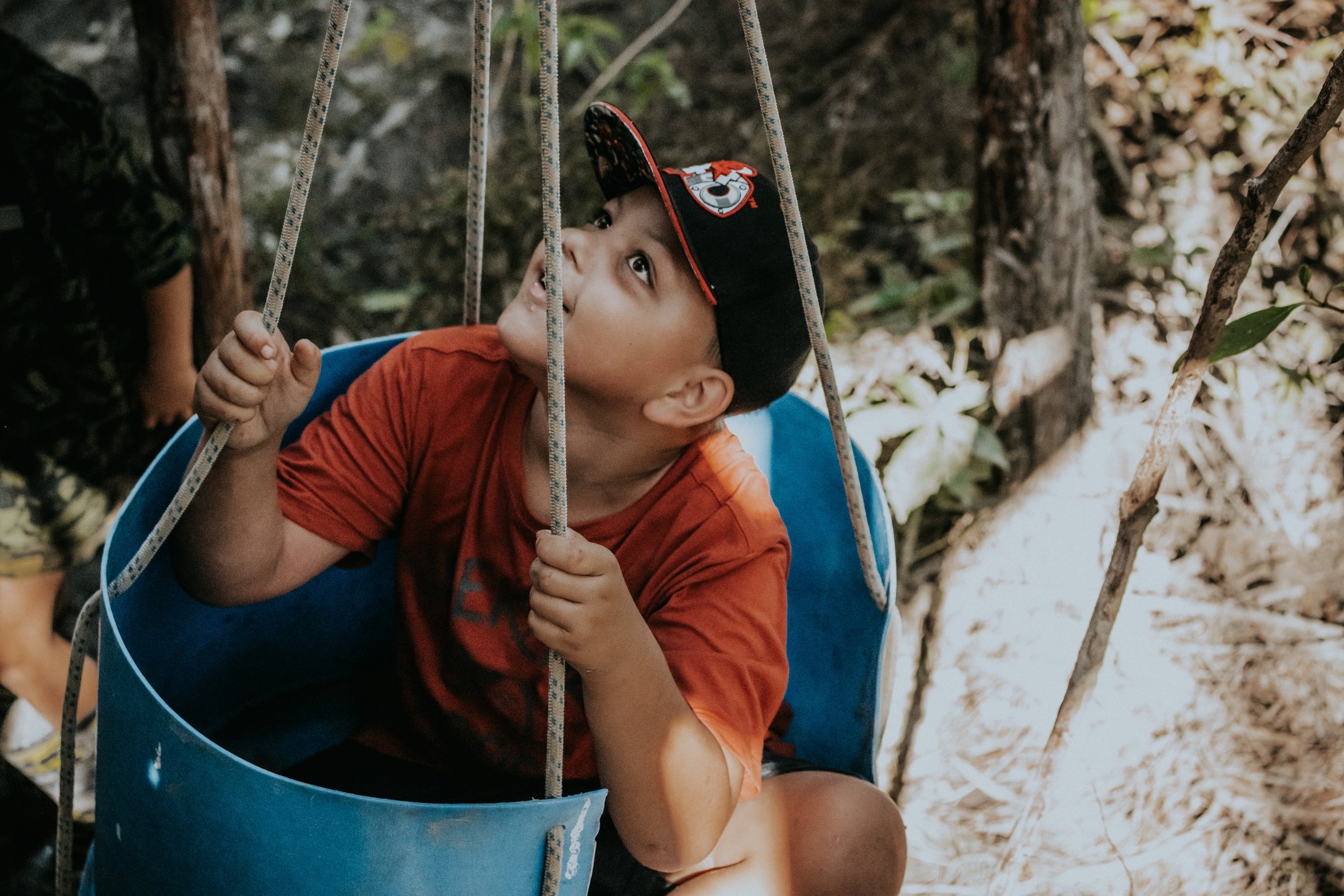
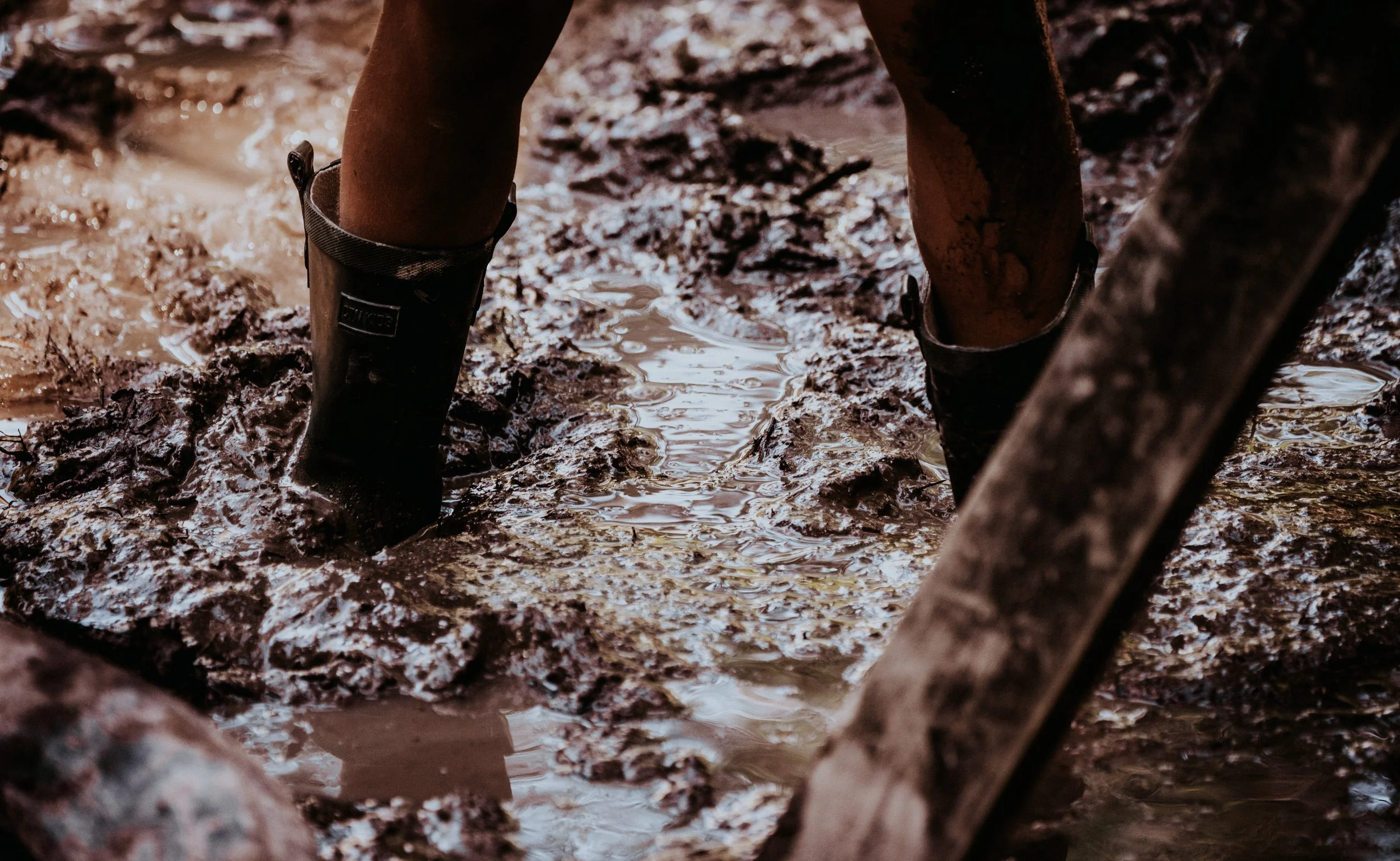
Nature is our learning environment; providing spaces that are rich, ever-changing, and designed to foster connection and exploration.

Teachers and Emergent Curriculum
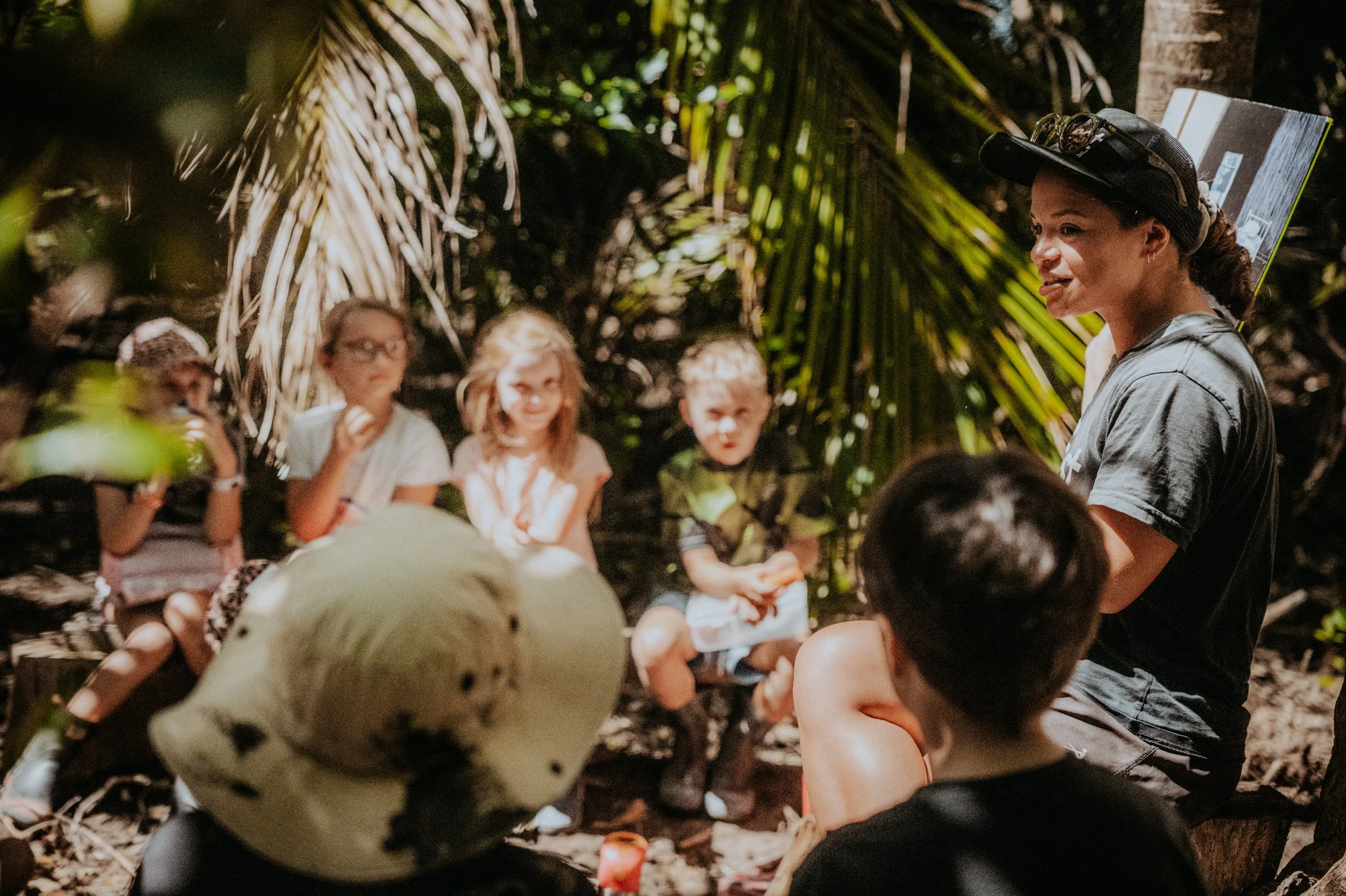
Teachers listen, observe, and work alongside children as co-learners, shaping a curriculum that grows from children’s curiosity and questions.
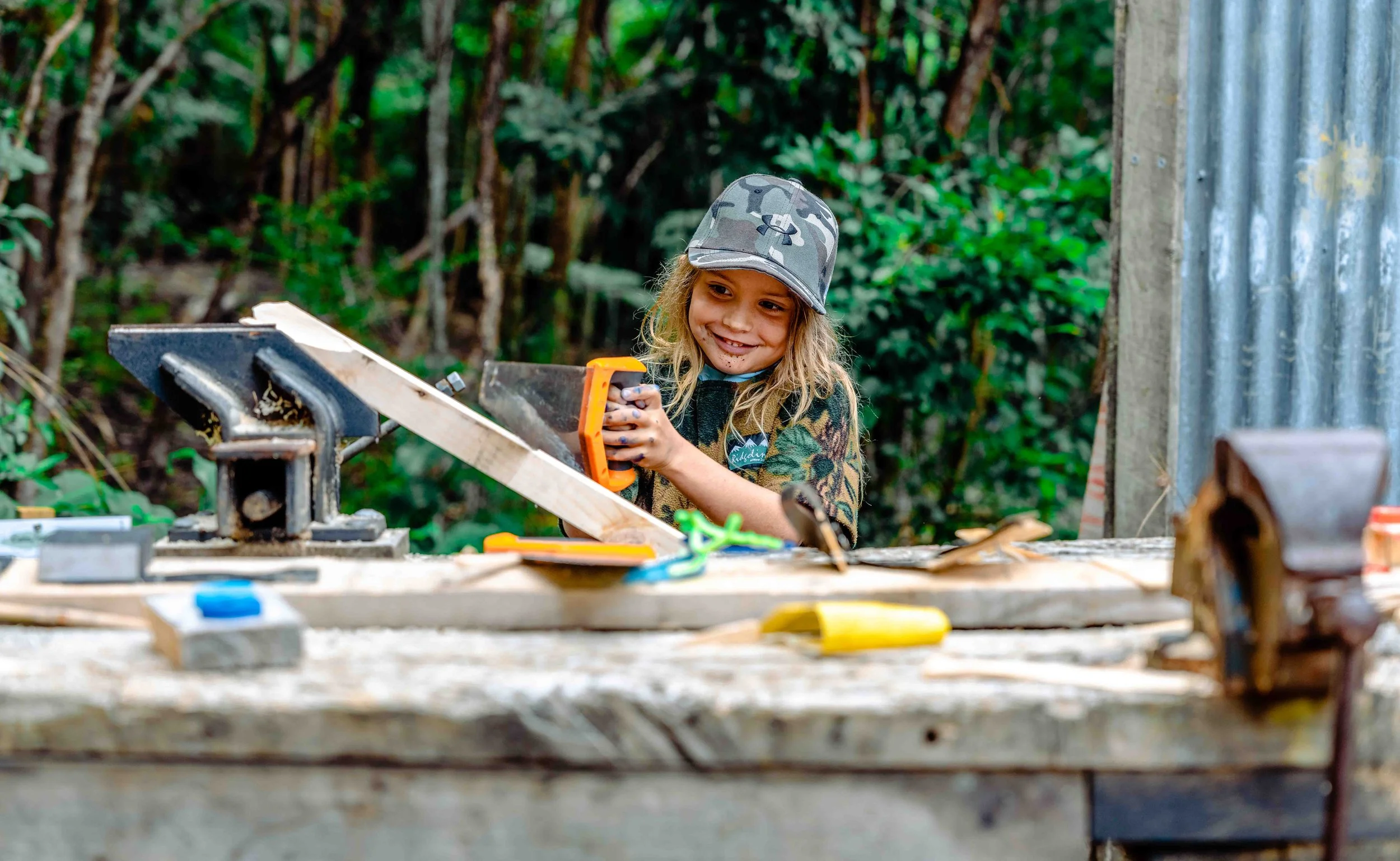

The Hundred Languages of Children
Children express themselves in many ways, through art, movement, words, play, music, and more- all equally valued.
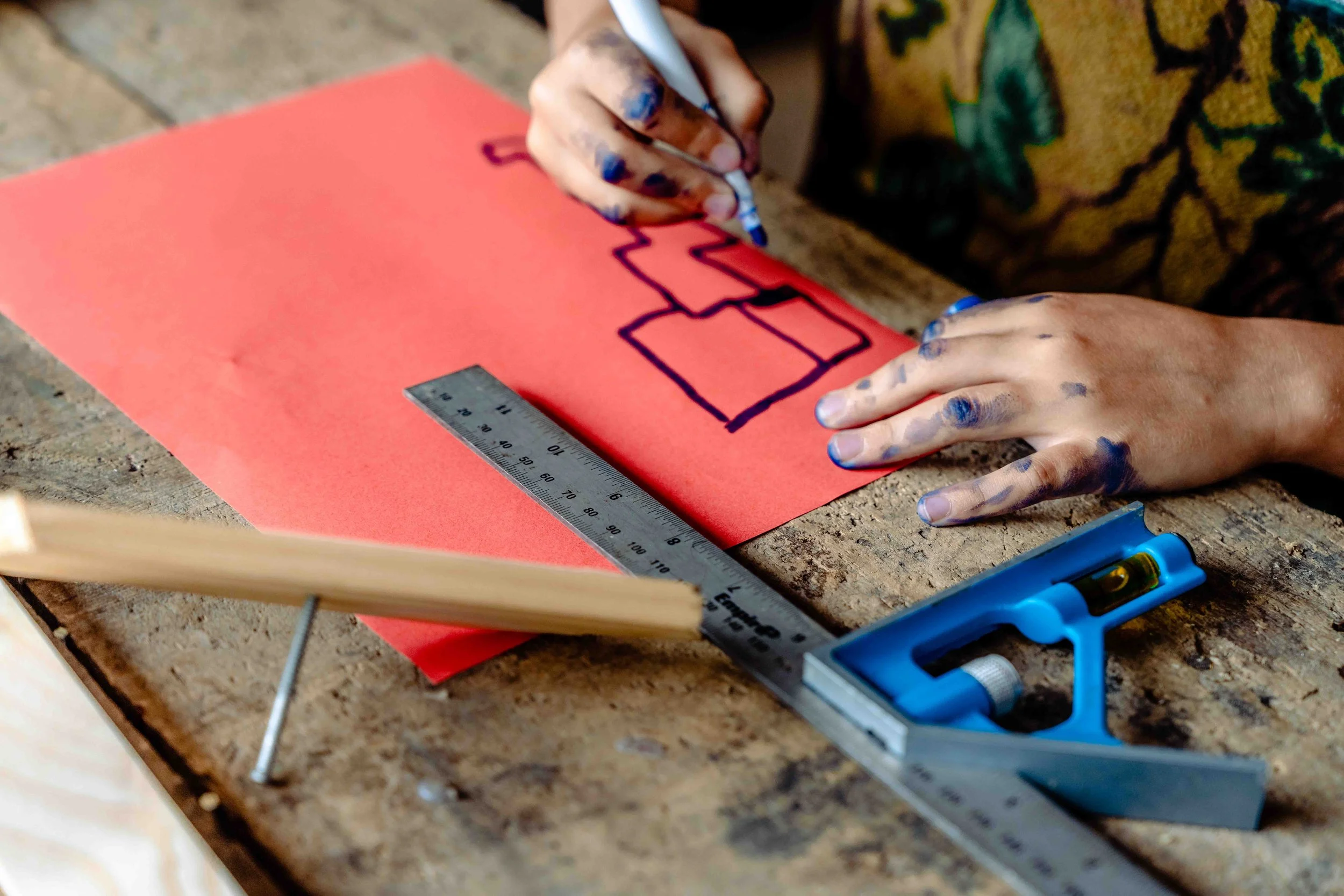

Documentation of Learning
Teachers make children’s thinking visible through photos, transcripts, and displays, highlighting the process as well as the outcome.
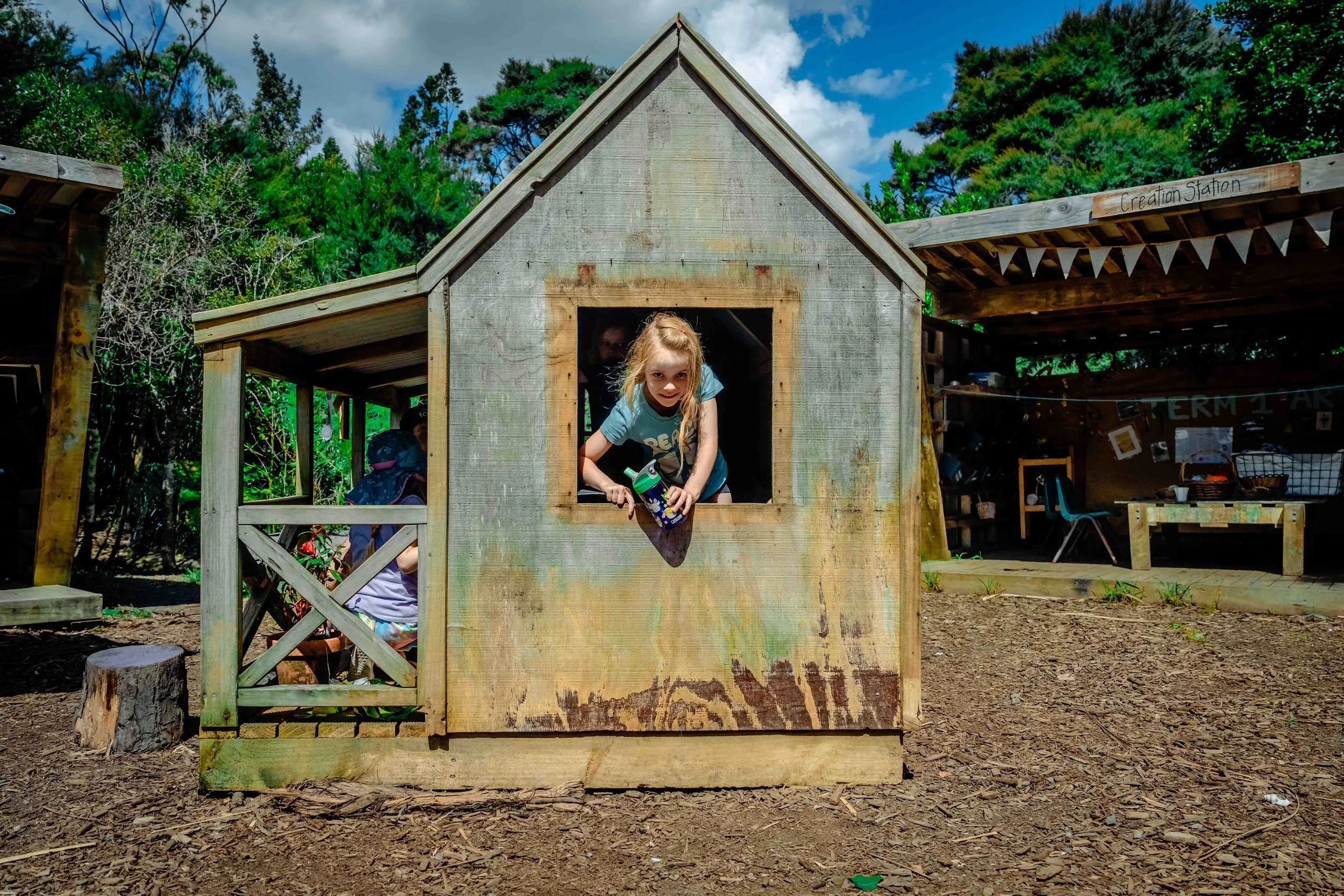

Collaboration and Community
Learning is co-constructed with peers, teachers, families, and the wider community, drawing deeply on local culture and environment to ground children in the real world.
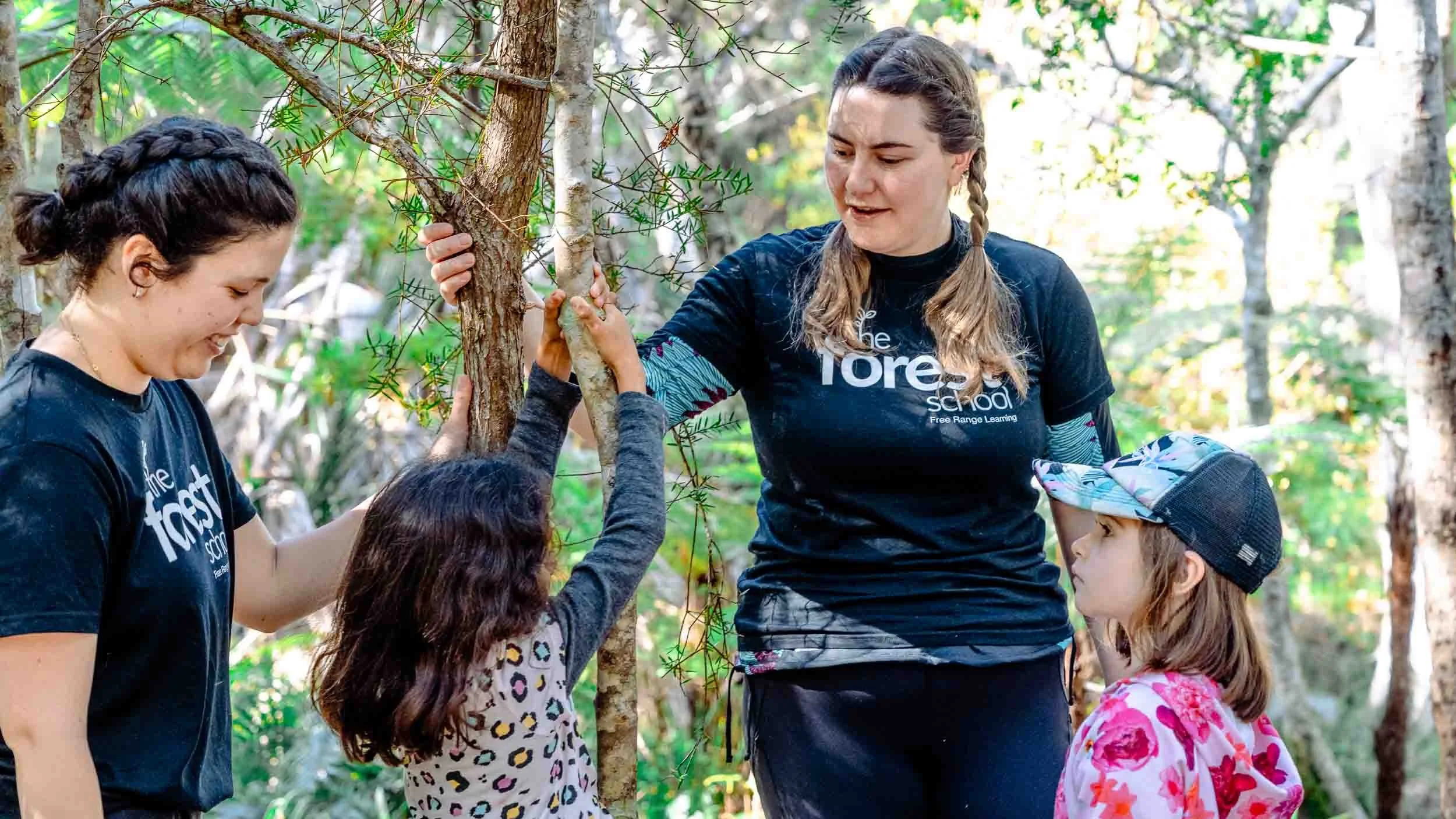

Holistic Development
Education nurtures the intellectual, social, emotional, physical, and creative growth of each child.